In a dramatic escalation of Middle Eastern tensions, Israel has launched a pre-emptive strike against Iran, targeting what it claims were imminent nuclear and military threats. The move has stunned global observers, reigniting debates over nuclear proliferation, regional security, and international law. This article provides an overview of the context leading up to the strike, the immediate aftermath, and the potential long-term consequences for the Middle East and beyond.
Background: Rising Tensions and Red Lines
Israel and Iran have long been regional adversaries, with tensions centered on Iran’s nuclear program, its support for militant groups such as Hezbollah and Hamas, and its increasing presence in Syria. For years, Israeli officials have declared that a nuclear-armed Iran would pose an existential threat to the Jewish state, vowing to act if diplomacy failed.
Despite international agreements like the Joint Comprehensive Plan of Action (JCPOA), from which the U.S. withdrew in 2018, Iran has steadily expanded its nuclear enrichment program. Reports from the International Atomic Energy Agency (IAEA) have indicated that Iran has enriched uranium well beyond the levels permitted under the JCPOA, approaching weapons-grade thresholds.
In recent months, Israeli intelligence reportedly identified what it described as “concrete and imminent” threats involving the assembly or deployment of nuclear-capable technologies, prompting urgent deliberations within the Israeli security cabinet.
The Strike: Targets and Tactics
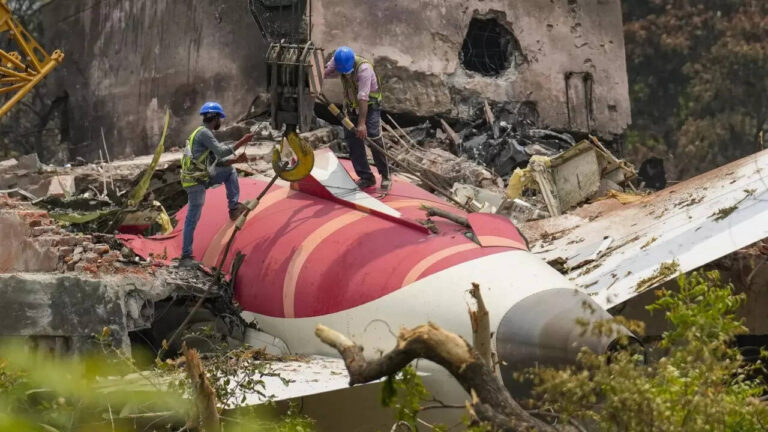
In the early hours of the attack, Israeli forces reportedly launched a series of coordinated airstrikes and cyberattacks against key Iranian nuclear facilities, including the Natanz and Fordow enrichment sites, as well as military installations near Isfahan and Tehran. Satellite images confirmed significant damage at multiple sites, though the extent of Iran’s nuclear setback remains unclear.
Israel has not officially confirmed all the targets, but Prime Minister [Name] issued a brief statement, declaring that Israel had “acted decisively to protect its citizens and prevent an irreversible threat from materializing.”
Iran, meanwhile, condemned the strike as an act of war and vowed retaliation. Supreme Leader Ayatollah Ali Khamenei promised a “crushing response,” and military units were reportedly placed on high alert across the country.
International Reaction
The global response has been sharply divided. The United States, Israel’s closest ally, expressed support for Israel’s right to self-defense while urging both sides to avoid a broader conflict. President [Name] called for an emergency session of the UN Security Council, emphasizing the need to prevent escalation.
Russia and China condemned the strike, accusing Israel of undermining regional stability and international norms. The European Union urged restraint and called for renewed diplomacy to prevent a nuclear arms race in the region.
Arab states offered mixed reactions. While some Gulf countries privately expressed relief over a blow to Iran’s nuclear ambitions, others warned of regional spillover effects and urged de-escalation.
Strategic Implications
Israel’s strike is a bold gamble with high stakes. Militarily, it may delay Iran’s nuclear progress, but it also risks galvanizing Iranian resolve and accelerating weaponization efforts. Diplomatically, it could strain Israel’s relationships with key allies and further destabilize the region.
For Iran, the attack is both a security and political crisis. A forceful response could provoke a wider war, while restraint might be seen domestically as weakness. Iran’s options may include missile strikes, cyber retaliation, or attacks through proxy groups in Lebanon, Syria, or Gaza.
Conclusion: A Dangerous New Chapter
Israel’s pre-emptive strike on Iran marks a watershed moment in Middle Eastern geopolitics. It highlights the fragility of the nuclear nonproliferation regime and the limitations of international diplomacy in the face of hard security concerns. As both nations brace for possible retaliation and further conflict, the world watches anxiously, hoping this flashpoint does not ignite a broader regional or even global war.
Note to Readers: This article is based on ongoing developments and verified sources at the time of writing. For the most current information, consult updates from credible international news agencies and official government statements.