In the vast landscape of anime battles, few clashes have ignited the fandom and captivated viewers quite like the duel between Gyutaro and Tengen Uzui in Demon Slayer: Kimetsu no Yaiba – Entertainment District Arc. This visually stunning and emotionally charged confrontation has earned widespread acclaim, not just as a highlight of the series, but as a modern benchmark for anime action. Here’s why this battle stands above all others in the last ten years.
1. Unmatched Animation Quality
Studio Ufotable set a new industry standard with this fight. Known for their meticulous attention to detail and fluid CGI integration, they delivered sequences that felt almost too cinematic for television. The fight is a kaleidoscope of color and motion, blending 2D and 3D animation seamlessly. From Gyutaro’s grotesque and fluid movements to Tengen’s explosive Sound Breathing attacks, every frame feels handcrafted for maximum impact.
The dynamic camera work—rotating, diving, and sweeping through the action—gives the battle a visceral intensity. It’s not just well-animated; it’s art in motion, elevating the entire medium.
2. Emotional Stakes and Character Depth
Great fights aren’t just about punches—they’re about what’s behind them. Gyutaro, though monstrous, is a tragic figure shaped by poverty, disease, and neglect. His twisted bond with his sister, Daki, adds layers of sympathy, making him more than a standard villain. You feel the weight of his pain even as he unleashes deadly attacks.
On the other side is Tengen, the flamboyant Sound Hashira with surprising depth. Far from the typical stoic swordsman, Tengen reveals his vulnerabilities—his fear of death, his love for his wives, and his desire to protect rather than dominate. This emotional complexity raises the stakes, turning a flashy fight into a life-or-death drama with soul.
3. Teamwork and Strategy
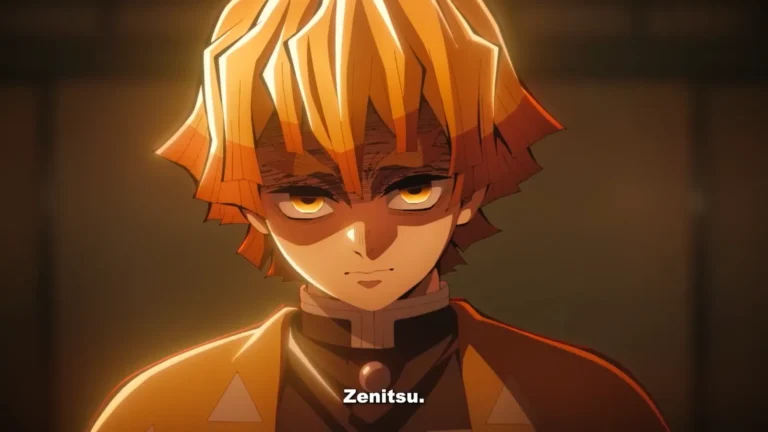
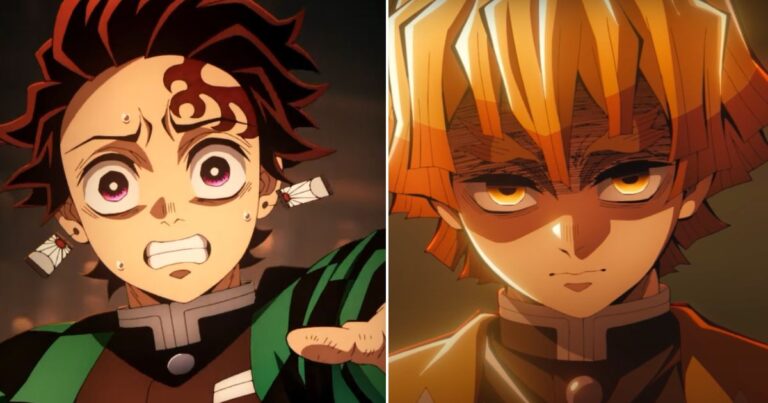
Unlike many one-on-one anime fights, this battle is a symphony of collaboration. Tanjiro, Zenitsu, and Inosuke don’t play side characters—they are integral to the outcome. The synchronization of their attacks, the way they cover for each other, and the sacrifices they make keep the tension high and the pacing relentless.
The climax, where multiple characters simultaneously strike in a desperate attempt to decapitate both demons at once, is a masterclass in coordinated storytelling. It shows how teamwork, not just raw power, is key to victory.
4. Perfect Pacing and Structure
Pacing can make or break a battle. This fight unfolds over several episodes, yet never feels bloated. Each phase escalates the tension, introducing new stakes—poison, severed limbs, emotional flashbacks—without ever feeling disjointed.
The narrative structure mirrors a three-act play: introduction and setup, escalation and near-defeat, and finally, a jaw-dropping climax. Every moment has purpose. Every beat hits hard.
5. Cultural Impact and Reception
When the final episode of the Gyutaro vs. Tengen battle aired, it broke streaming records in Japan and trended worldwide. Social media exploded with praise, reaction videos went viral, and even casual anime fans took notice. Critics hailed it as one of the most ambitious animated sequences in TV history, and for good reason.
This fight didn’t just entertain—it reignited passion for hand-drawn animation and raised the bar for what TV anime could achieve.
Final Thoughts
The battle between Gyutaro and Tengen isn’t just the best fight of Demon Slayer—it’s a watershed moment for anime. It combines high-caliber animation, meaningful storytelling, complex characters, and jaw-dropping action into an unforgettable experience.
In a decade filled with stellar battles—from Attack on Titan to Jujutsu Kaisen, from My Hero Academia to One Punch Man—this one stands at the summit, not just for how it looks, but for how deeply it resonates.
It’s not just a fight—it’s a masterpiece.